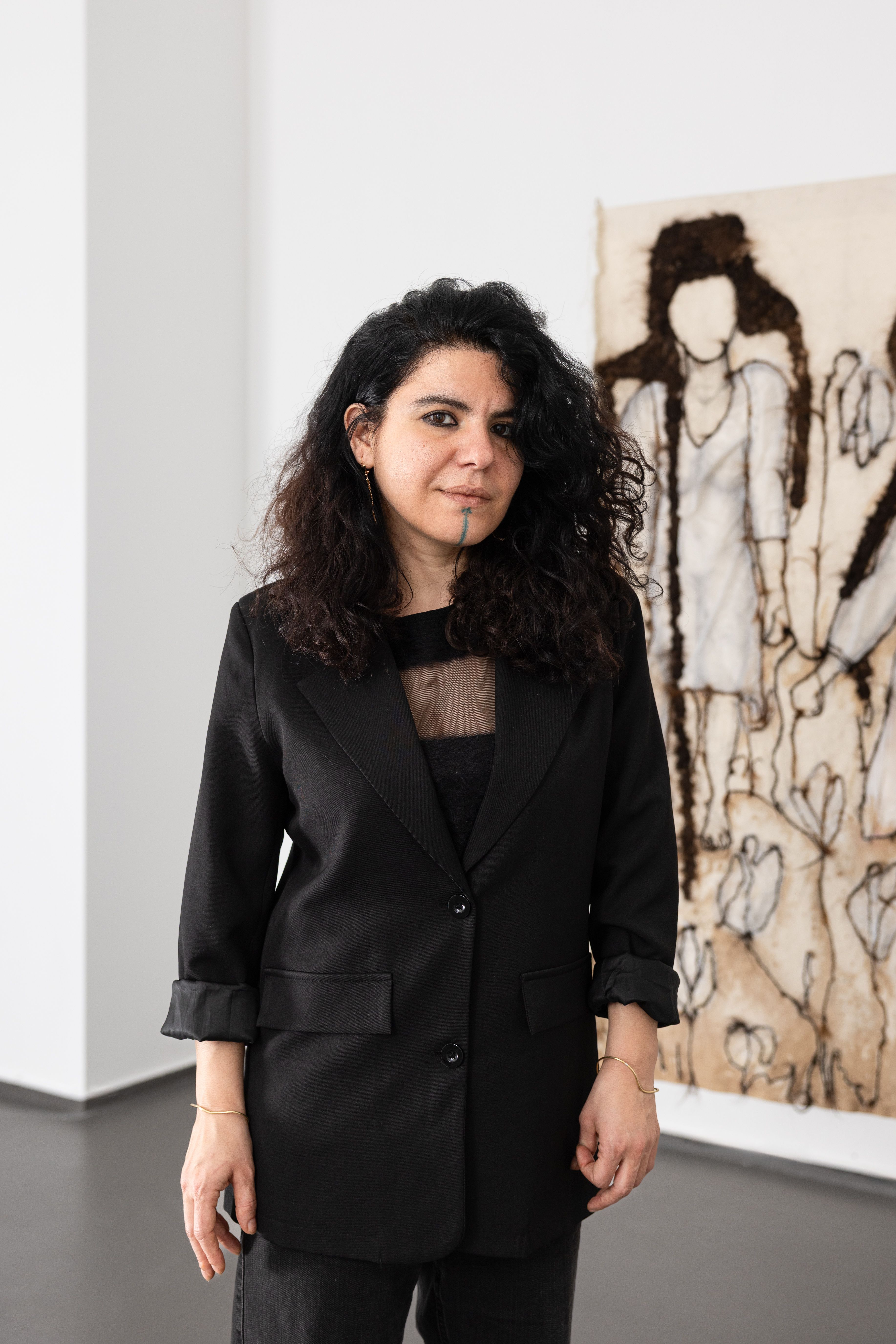
From February 20 to May 16 2026, MACTE The Museum of Contemporary Art of Termoli presents I, Witness, a solo exhibition by the Kurdish artist Zehra Doğan, curated by Francesca Guerisoli.
The exhibition retraces the key turning points of the artist’s research, highlighting a practice deeply intertwined with biographical experience and political commitment.
An artist, activist, and journalist, Zehra Doğan conceives drawing and imagery as tools for direct testimony of reality. Her practice stems from a vital necessity: to narrate what is systematically denied, censored, or destroyed.
As the artist states: «I see my exhibition at MACTE as an encounter between different forms of survival and resistance that I have developed over time.
There are no clear breaks between the works created before, during, and after prison: the same questions re-emerge under different conditions. What changes is not time, but circumstances. What remains constant are testimony, memory, and forms of resistance. »
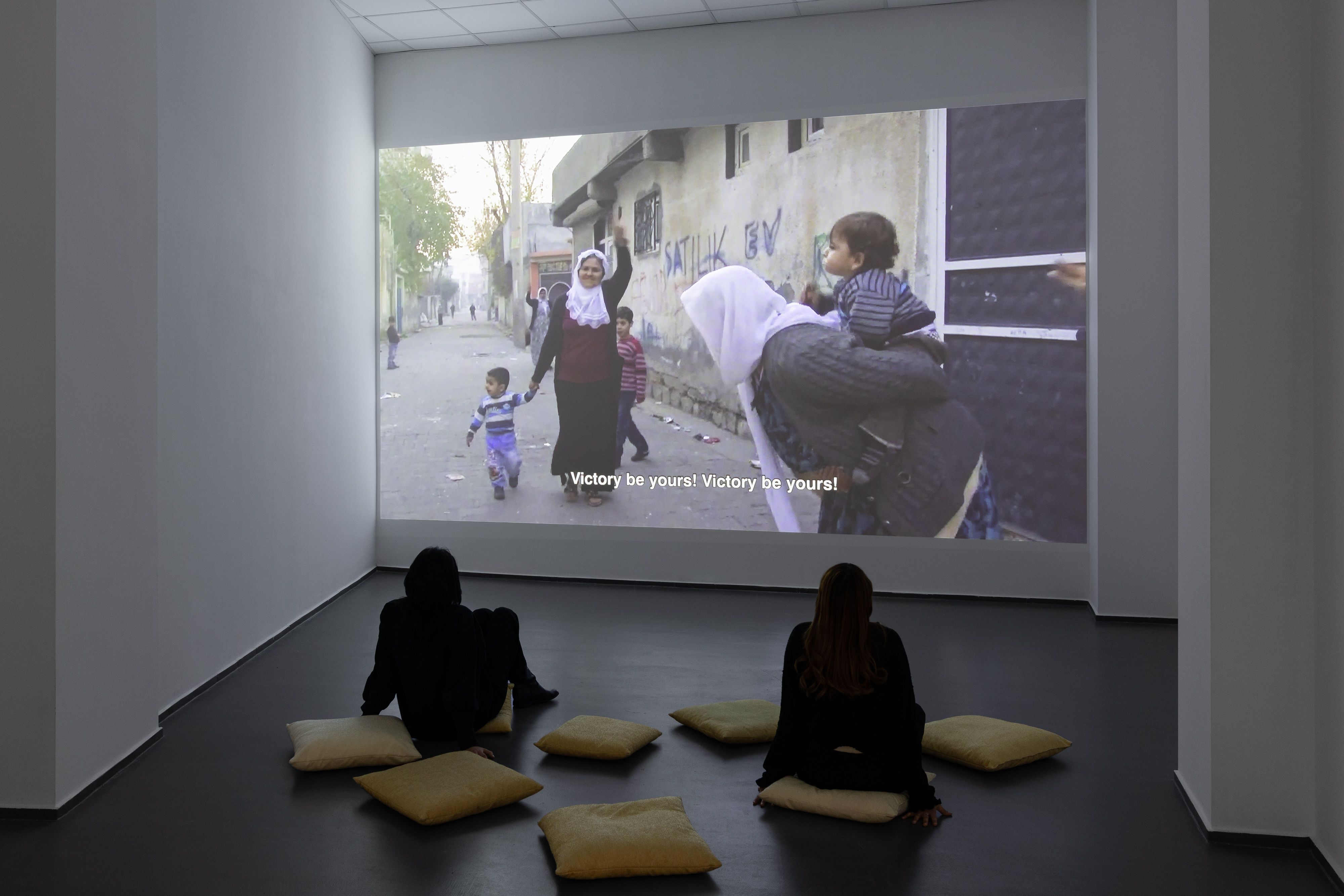
Convicted and imprisoned for a work documenting the destruction of the city of Nusaybin, Doğan transformed her experience of detention into a space of production and resistance. I, Witness unfolds across three fundamental moments in the artist’s life: the period before imprisonment, the prison experience, and her most recent visual production.
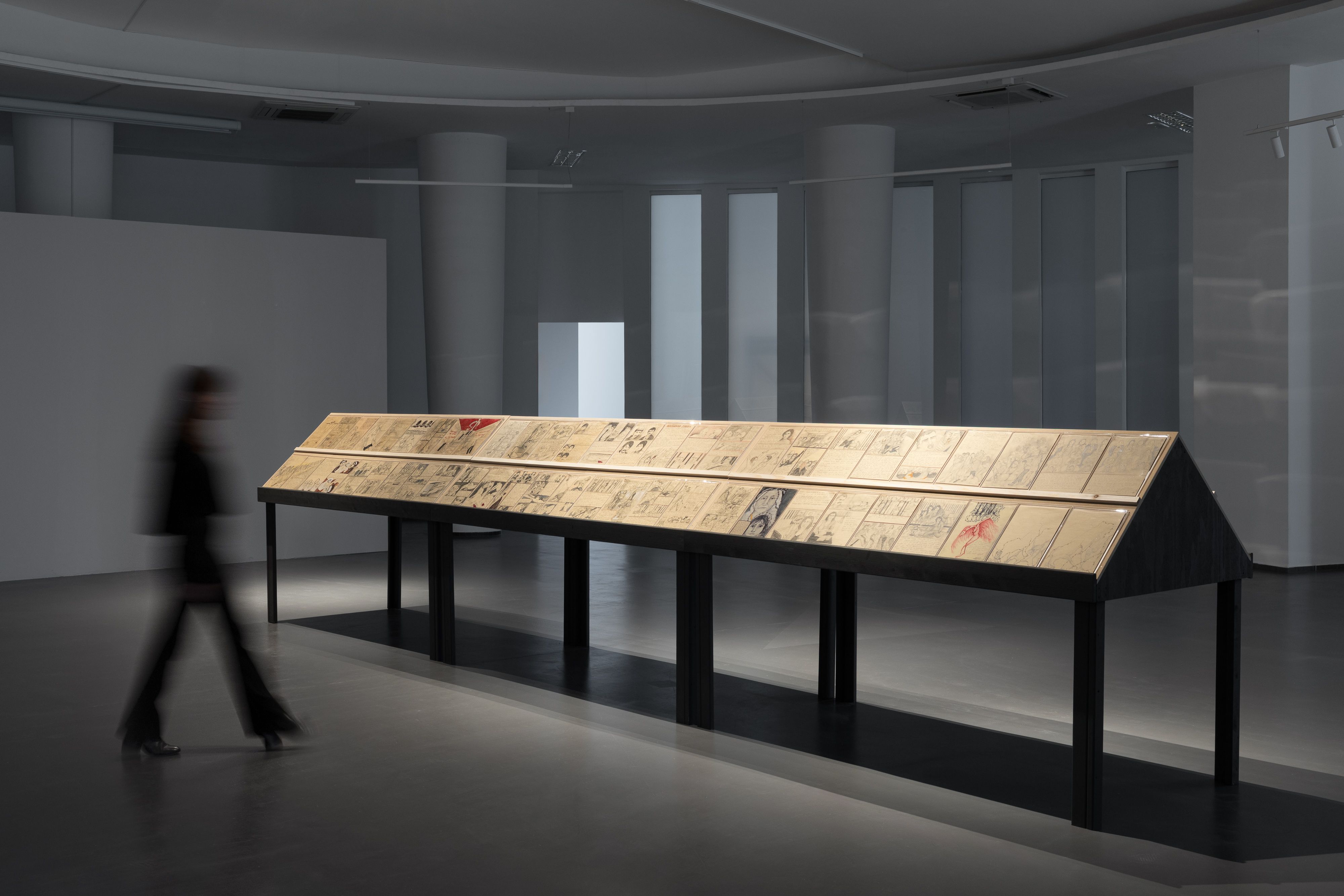
The exhibition begins with Prison No. 5, a graphic novel now presented as an installation, created clandestinely in Diyarbakır prison. Deprived of artistic materials, Doğan produced her visual narrative by drawing on the back of letters she received from her friend Naz Öke. Between 2017 and 2019, more than one hundred pages managed to “escape” from prison, becoming anarchive of political memory and daily survival.
The previously unpublished graphic novel Nusaybin and Cizre, begun between 2015 and 2016 and interrupted by her arrest, conveys in raw and direct images what the artist witnessed firsthand. Presented to the public for the first time, the work affirms the artistic act as both document and political statement.
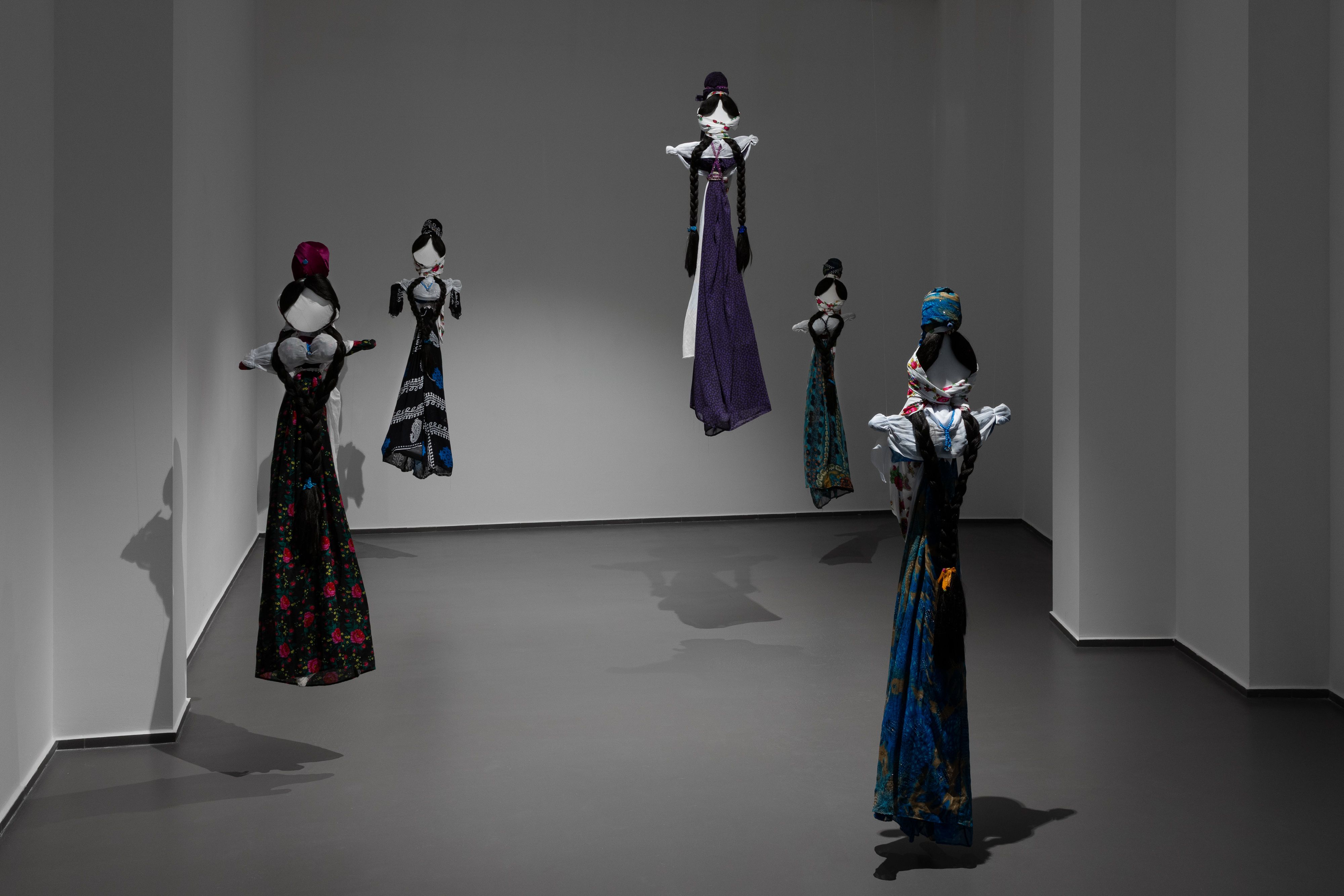
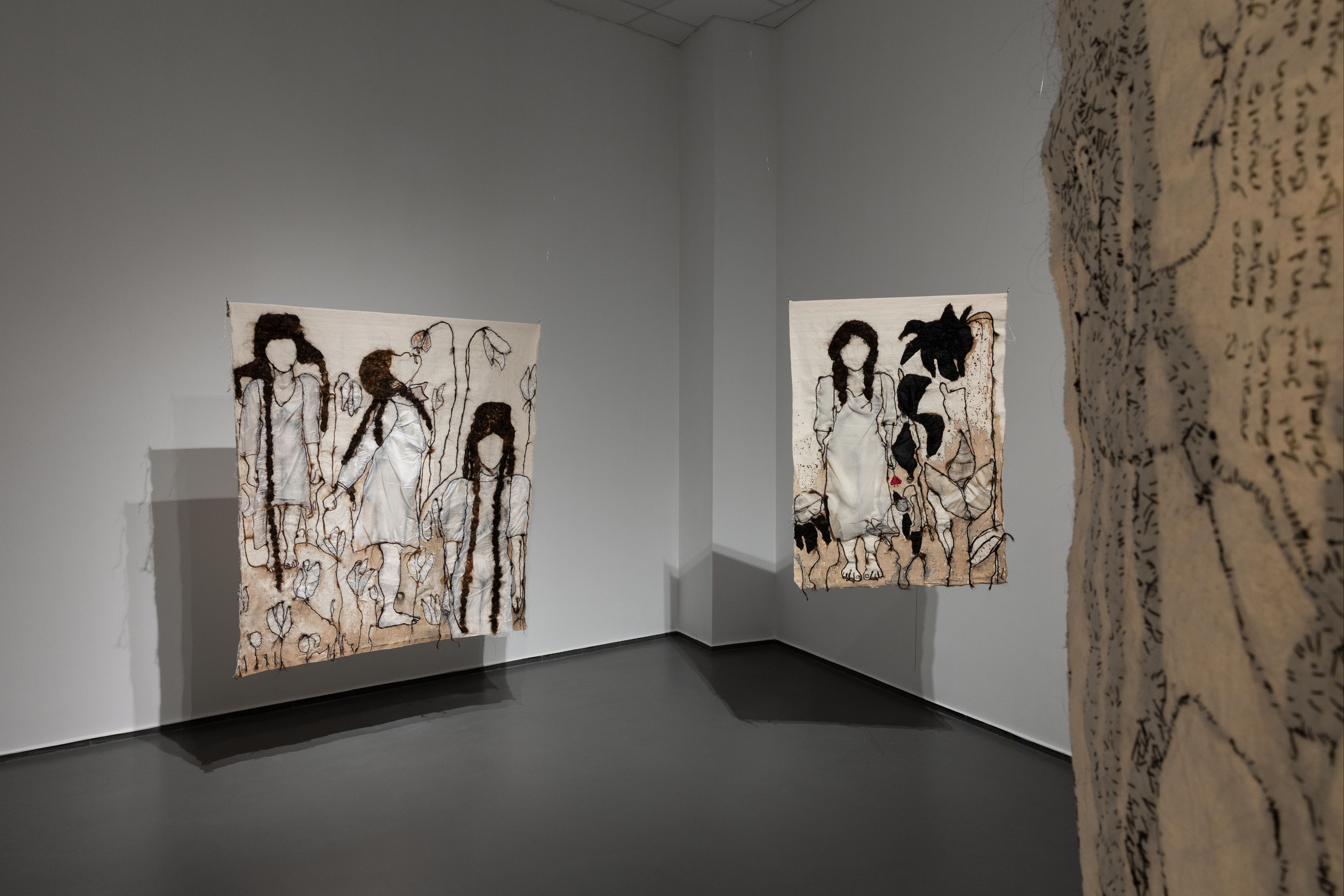
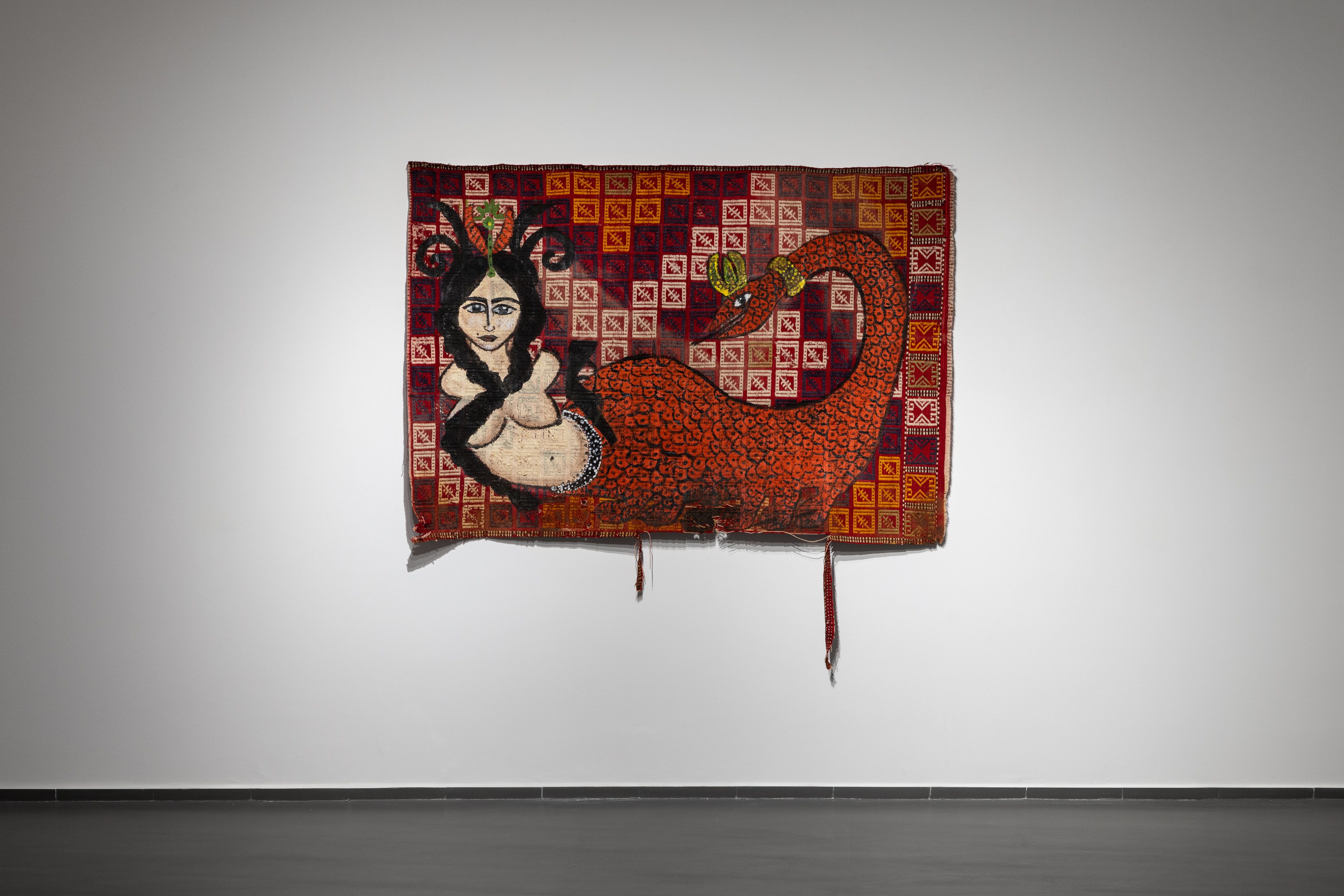
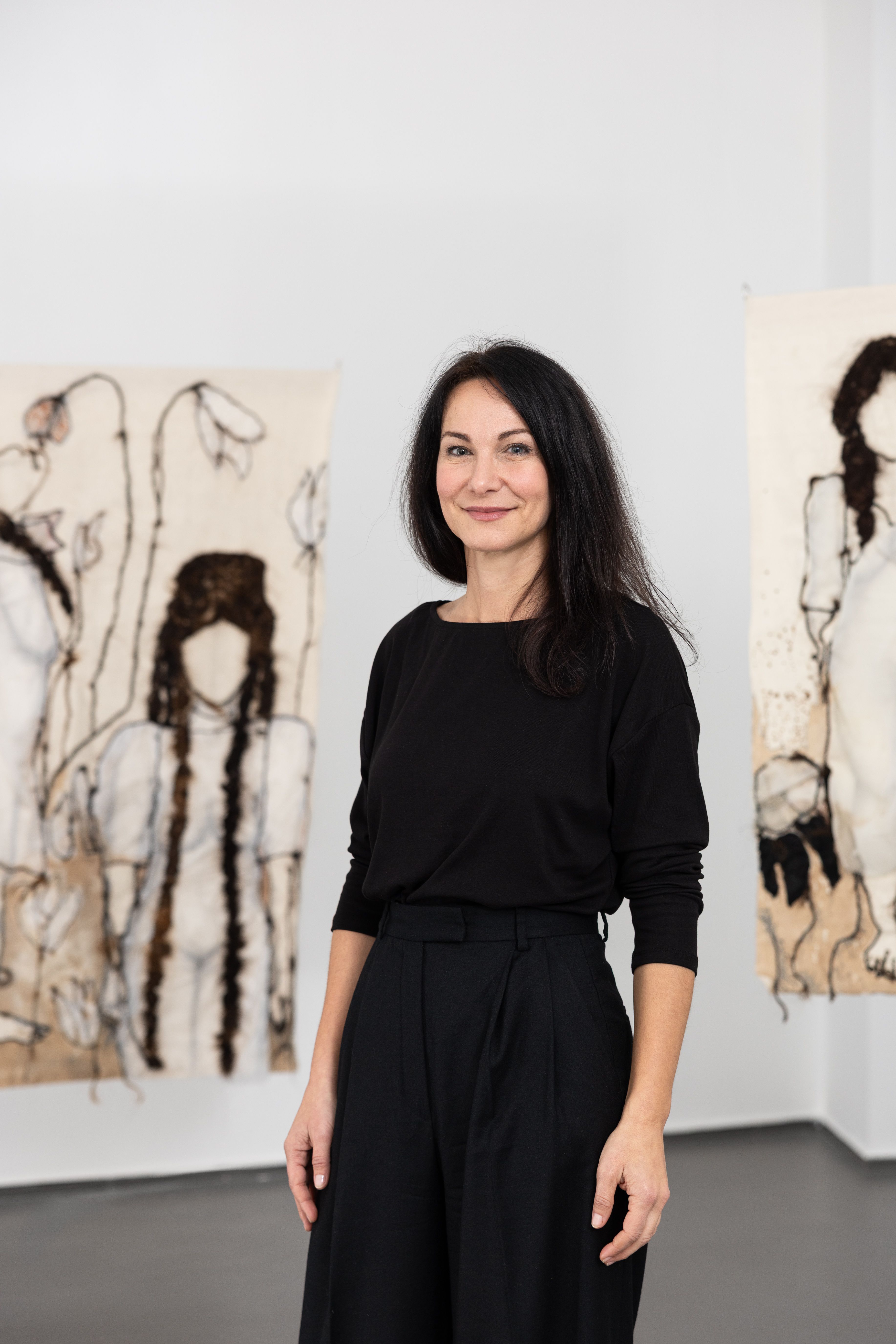
The female figure plays a central role in the artist’s research: vulnerable yet powerful, expressed in multiple forms. Caught Between Borders is a series created with hair and menstrual blood on fabric; My Mother’s Missing Women is a series of dolls sewn together with her mother and sister as a symbolic presence of the imprisoned daughter. Şhahmeran, a painted textile dedicated to the serpent goddess and symbol of women’s emancipation, ideally concludes the exhibition path.
In the final two rooms, a dialogue is established with MACTE’s permanent
collection, particularly with works by Elisa Caldana, Roberto Casti, and Nico
Angiuli, which address themes of human and animal resistance and survival in specific places.
The project Part-time Resistance by Nico Angiuli, produced by MACTE in
2022, is presented again in the museum galleries with a photographic and
sound series, and will be reactivated through a workshop dedicated to the
Prison Alphabet, to be held on April 18 and led by Simone Amoruso, one of the “human books” who preserve these stories.
Zehra Doğan was born in 1989 in Diyarbakir (Turkey). She lives in Berlin and works as a nomadic artist across Europe. She graduated from the Fine Arts program at Dicle University and is a co-founder of JINHA, the first all-female news agency.
During the wars in Iraq and Syria, she worked as a reporter in both countries and was among the first journalists to speak with Yazidi women freed from ISIS captivity in northern Iraq. After clashes broke out between the Turkish army and the PKK, she was sent to cities under curfew such as Cizre and Nusaybin.
She was imprisoned in July 2016 in Mardin, one day after leaving Nusaybin. She spent five months in pre-trial detention and was released under judicial supervision following her first court hearing in December 2016. At the end of the trial in March 2017, she was sentenced to 2 years, 9 months, and 22 days for “terrorist propaganda” due to her journalistic reporting and a painting depicting the destruction of the city of Nusaybin. The higher court upheld the sentence in July 2017, and she was sent to prison. On October 23, 2018, the Turkish state imposed a measure of forced relocation against Zehra Doğan, and she was transferred to the harsh prison of Tarsus. She was released on February 24, 2019.
Over the years, Doğan has received numerous awards, including the Metin Göktepe Journalism Award (2015), the Rebellion's Artist in the World Prize (2017), the Freethinker Prize from the Swiss Association of Freethinkers Frei Denken (2017), the Courage in Journalism Award from the International Women’s Media Foundation (2018), the Exceptional Courage in Journalism Award from the May Chidiac Foundation (2019), the Ipazia Award for Female Excellence – International Section (2020), and the First Prize Carol Rama (2020).
Among her most significant exhibitions are: Light and Fight – Luce e lotta nelle opere di Zehra Doğan, MACC Foundation, Calasetta (2025); ЯE:IMAGINE: THE RED HOUSE, Maxim Gorki Theatre, Berlin (2025); Avremo anche giorni migliori – Opere dalle carceri turche, Museo di Santa Giulia, Brescia (2019); Oeuvres évadées, Espace des Femmes, Paris (2019); The Pencil Is a Key: Drawings by Incarcerated Artists, Drawing Center, New York (2019); Ê Li Dû Man – What’s Left of It, Tate Modern, London (2019); and the 32nd Pontevedra Biennial (2025).
Zehra Doğan is the author of We Will Also Have Better Days: Writings from Prison, published by Fandango Libri (2022), and Prison No. 5, published by Becco Giallo (2021).
Francesca Guerisoli is a contemporary art historian, art critic, and curator. Her research focuses particularly on the relationship between art and the social and political sphere, contemporary museology, and emerging artistic practices. She was Artistic Director of the MAC Museo d’Arte Contemporanea in Lissone and currently directs the MuDi – Museo Diffuso di Lentate sul Seveso.
Since 2010, she has curated the program of the Pietro and Alberto Rossini Foundation and teaches at the University of Milan-Bicocca and the Academy of Fine Arts in Rome. She has been a member of the editorial board and a contributor to the quarterly Quaderni d’arte italiana (Treccani) and collaborates with Il Sole 24 Ore